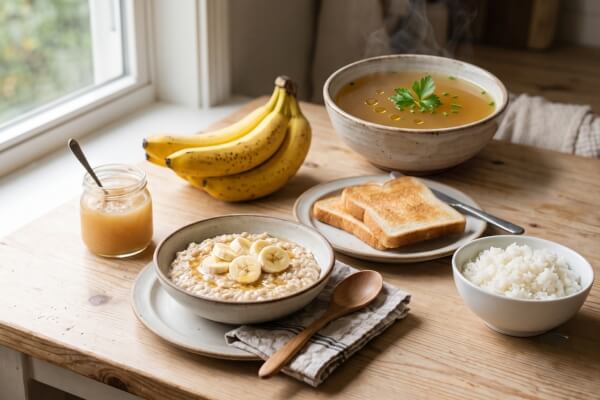
25 Easy to Digest Foods for Digestive Wellness
When your stomach feels off, what you eat can make the difference between feeling a little better and feeling a lot worse. Whether you're getting over a stomach bug, dealing with occasional indigestion or acid reflux, or just looking for meals that feel lighter on a rough day, some foods are simply easier for your digestive system to handle than others.
Here's something that trips people up: "healthy" doesn't automatically mean "easy to digest." Raw vegetables, big leafy salads, high-fiber (high-fibre) cereals, and even some smoothie ingredients can be genuinely tough on a sensitive stomach. Ironically, it's often the softer, cooked, simpler foods that do the actual soothing.
Below are 25 gentle stomach foods that tend to be well tolerated, along with a few surprising facts about how they help soothe digestion.
1. Bananas
Bananas are one of the most commonly recommended foods for digestive comfort — soft, easy to chew, and rich in potassium, which helps replace minerals your body loses during a bout of digestive upset. You've probably also heard of the BRAT diet (bananas, rice, applesauce, toast), which relies heavily on bananas.
Worth knowing: while BRAT foods are gentle in the short term, broad digestive health guidelines from the US National Institute of Diabetes and Digestive and Kidney Diseases (NIDDK) and the UK's National Health Service (NHS) no longer recommend sticking to them exclusively. Current guidance favors exploring wider BRAT diet alternatives to maintain natural balance. It's low in protein, fat, and fiber (fibre), so beyond the first day or so, current guidance favors gradually adding a wider range of nutritious, easy-to-digest foods rather than staying restricted to just those four. Think of BRAT foods as a starting point, not the whole plan.
Interesting fact
Slightly green, less-ripe bananas actually contain more resistant starch than fully ripe ones. Resistant starch behaves more like fiber (fibre) in your gut — it resists digestion in the small intestine and instead feeds beneficial bacteria further down, which is a nice bonus even in a food chosen for being "gentle."
2. White Rice
Plain white rice is low in fiber (fibre), which makes it easy for the digestive system to process without much extra effort. It's a reliable source of steady energy when your gut needs a break from more demanding foods.
3. Applesauce
Cooking and pureeing apples breaks down much of the tough fiber (fibre) structure that makes raw apples harder to digest for some people. The result is something your stomach barely has to work for.
4. Toast
Simple, plain toast tends to sit easier than richer baked goods loaded with butter or sugar. There's a reason it shows up on nearly every "settle your stomach" list — it's genuinely one of the least demanding foods you can eat.
5. Oatmeal (Porridge)
Cooked oats are rich in soluble fiber (fibre), which absorbs water and forms a soft, gel-like texture as it moves through your gut. For many people, that texture makes oatmeal considerably easier to tolerate than bran cereals or heavily processed breakfast foods.
6. Scrambled Eggs
Eggs are a highly digestible protein source when they're prepared simply. Scrambled or soft-cooked eggs tend to go down easier than fried eggs, which bring more fat into the mix and can slow digestion.
7. Plain Chicken Breast
Skinless chicken breast delivers protein without much fat, which makes it one of the gentler protein options for a sensitive stomach — fat is one of the main things that slows digestion and can trigger nausea.
8. Bone Broth
Warm, savory, and easy to sip even when solid food feels unappealing, bone broth delivers fluids and some nutrients with almost no digestive effort required. Many people find it genuinely soothing during a flare-up, even beyond its nutritional value.
9. Potatoes
Boiled, baked, or mashed potatoes are generally well tolerated — as long as you skip the heavy cream, butter, or rich sauces, which are what actually cause the trouble, not the potato itself.
Unexpected fact
If you cook potatoes, cool them, and then reheat them, some of their starch converts into resistant starch — the same gut-friendly compound found in green bananas. It's a small, genuinely interesting example of how simply changing preparation can change how a food behaves in your body.
10. Sweet Potatoes
Soft, cooked sweet potatoes offer carbohydrates, vitamins, and a naturally smooth texture that most people digest comfortably.
11. Plain Pasta
Simple pasta without a heavy sauce is another low-effort option — useful when your stomach needs a break but you still want something a little more substantial than toast or rice.
12. Yogurt
Many yogurts contain live cultures that may support overall digestive health. Some people who struggle with regular milk actually tolerate yogurt just fine, since the fermentation process partially breaks down the lactose before it ever reaches you.
13. Cottage Cheese
For people who tolerate dairy reasonably well, cottage cheese offers a solid dose of protein in a soft, easy-to-eat texture.
14. Cooked Carrots
Cooking carrots softens their fiber (fibre) considerably, making them noticeably easier to digest than raw carrots — a good example of the "preparation matters" theme that runs through this whole list.
15. Zucchini (Courgette)
Peeled and cooked, zucchini (courgette) is mild and low in the rougher fiber (fibre) that can irritate a sensitive gut, which makes it a frequent favorite in gentle meal plans.
16. Pumpkin
Naturally smooth in texture once cooked, pumpkin shows up often in soups and purees designed specifically for easy digestion.
17. Cantaloupe
Melon in general tends to be easier on the stomach than more acidic fruits, and cantaloupe is one of the gentlest options in the fruit bowl.
18. Papaya
Papaya contains papain, a natural enzyme that helps break down protein — part of why it's traditionally used in many cultures as a digestive aid after heavier meals.
19. Pineapple
Pineapple contains bromelain, another enzyme associated with protein digestion. Some people tolerate it well; others, especially those with acid reflux, find its acidity works against them. Worth testing in a small amount first.
20. Avocado
Despite its fat content, avocado is often easier to digest than fried or heavily processed fats, and it comes with the added benefit of potassium and fiber (fibre). Moderation still matters here, since it is a concentrated source of fat.
21. White Fish
Mild white fish like cod or pollock offers lean protein without much fat, making it one of the easier proteins to digest, especially when baked or steamed rather than fried.
22. Rice Noodles
Low in fiber (fibre) and generally gentler than whole-grain noodle alternatives, rice noodles are a good option when you want something more substantial without extra digestive strain.
23. Gelatin
Simple gelatin desserts require essentially no digestive effort and can be genuinely useful when your appetite is low but you still need to get something down.
24. Smooth Soups
Blended soups made from carrots, pumpkin, squash, or potatoes deliver real nutrients in a form that needs almost no chewing and very little digestive work — a good option on days when even simple solid food feels like too much.
25. Ginger
Ginger has been used to settle upset stomachs for centuries, and modern research backs up the folklore: it appears to genuinely help speed up gastric emptying and reduce nausea, rather than just feeling soothing without doing anything.
Foods That May Be Harder to Digest
Even nutritious foods can be tough on a stomach that's already struggling. The most commonly reported troublemakers include:
Large raw salads
Fried foods
Very spicy meals
Carbonated drinks
Heavy cream sauces
Large amounts of beans or lentils
Artificial sweeteners
Highly processed snack foods
Everyone's tolerance is different, but these show up again and again as common triggers across a wide range of people.
The Surprising Secret: How You Prepare Food Matters
One of the most overlooked facts about digestion is that how you prepare a food can matter just as much as what the food actually is.
Cooked vegetables are consistently easier to digest than raw ones. Pureed soups tend to be gentler than chunky ones. Slow-cooked meals are sometimes better tolerated than heavily grilled or charred foods. Even something as simple as chewing thoroughly and eating slowly reduces the overall demand you're placing on your digestive system.
In other words, the line between a meal that feels comfortable and one that causes real discomfort often comes down to texture, portion size, and preparation method — not just the ingredient list.
Final Thoughts
A gentle diet doesn't have to be bland or boring. Plenty of easy to digest foods are nutritious, satisfying, and versatile enough to build real meals around to support your digestive wellness long-term.
Digestive comfort is also highly individual. What settles one person's stomach might not settle another's. If you're dealing with ongoing sensitivity, a simple food journal — even just quick notes after meals — can help you figure out your own personal list of go-to foods, so you're working from what actually works for your body rather than a generic list alone.
If you are looking for structured, soothing meals to maintain natural balance without feeling restricted, explore these foundational guides: