How to Support Fatty Liver Naturally
Picture this: You go in for a routine checkup. You feel fine. Then, your doctor looks at your lab work, mentions elevated liver enzymes, and says you have “fatty liver.” They tell you to "eat better and lose weight," and before you can process what that means, the appointment is over.
You go home, frantically Google your symptoms, and start wondering what is really going on beneath the surface.
As an evidence-based health writer, I hear this panic all the time. One of the first questions people ask is: "Can fatty liver actually be maintained?"
The short answer is incredibly encouraging: Yes. In many early and moderate cases, lifestyle changes can significantly support liver function and overall metabolic wellness.
Let’s strip away the medical jargon, ignore the internet "fad diet tea" scams, and break down exactly what the science says, how your liver works, and what it means for your kitchen.
What Is Fatty Liver? (And How a Liver Health Diet Helps)
Your liver is a highly resilient, multitasking organ. Normally, it stores a tiny bit of fat. But when the system gets overwhelmed, it packs away excess fat into the liver tissue itself. When fat makes up more than 5% to 10% of your liver’s weight, you have a fatty liver.
Here is the critical piece of the puzzle: This isn’t just about the fat on your plate. Fatty liver (increasingly called MASLD, or Metabolic Dysfunction–Associated Steatotic Liver Disease) is a metabolic issue. It is closely tied to:
Insulin resistance
High sugar intake (specifically fructose)
Excess body weight
A sedentary lifestyle
When you consume excess carbohydrates and liquid sugars, your liver literally turns them into fat. Over time, this fat acts like a splinter, causing inflammation and eventual scarring (fibrosis).
But the liver is a highly adaptable organ that can naturally support its own tissue renewal. We just have to give it the right environment to do so.
3 Scientifically Proven Rules for a Daily Liver Wellness Routine
There is currently no "magic pill" for fatty liver. The most consistent finding across decades of clinical studies is that lifestyle changes are the undisputed cornerstone of long-term wellness. Here are the three levers you need to pull:
1. How much weight do you actually need to lose to see liver improvement?
You do not need to lose 50 pounds (22.5 kg) to support your liver. Science dictates a very achievable goal: losing just 5% to 10% of your body weight can provide profound metabolic support for your liver. If you weigh 200 pounds (90 kg), losing just 10 to 20 pounds (4.5 to 9 kg) is enough to stop the inflammatory cascade. Consistency beats intensity every time.
2. Which carbs should you cut to stop fat accumulation in the liver?
The old "low-fat" diet of the 90s is terrible for your liver. If you replace fat with sugar and refined carbs, your liver will just create more fat.
The Villains: Added sugars (soda, sweetened yogurt (yoghurt)), ultra-processed snacks, and refined white carbs.
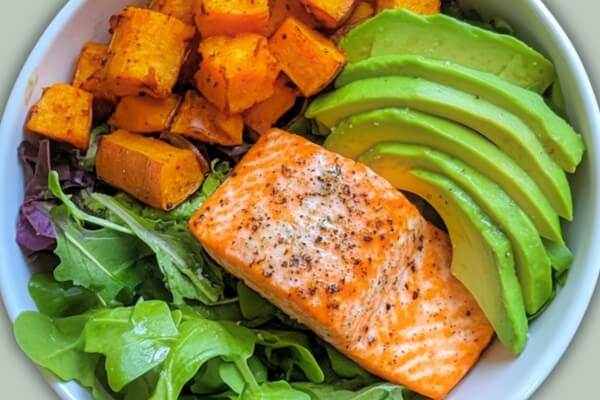
The Heroes: High-fiber (fibre) foods (vegetables, beans), lean proteins (chicken, fish, cottage cheese), and healthy fats (olive oil, avocados, nuts). To ensure you aren't adding hidden stress during preparation, always use the best cooking oils for liver health.
3. Daily Movement
When you eat carbs, your body breaks them down into glucose. Your muscles are your storage tanks for glucose. When you exercise, you empty those tanks. When you eat next, the glucose goes into the muscles to refill the tank, instead of going to the liver to be stored as fat. You don't need a gym membership; a brisk 20-minute walk after dinner is a scientifically proven way to protect your liver.
How Long Does Improvement Take?
Your liver responds surprisingly quickly to the right environment:
Early-stage fatty liver: Reductions in liver fat can be seen in as little as 2 to 4 weeks after a major dietary shift.
Moderate cases (Inflammation): Cooling down inflammation and improving liver enzymes typically takes 3 to 6 months of consistent effort.
Advanced stages (Scarring/Fibrosis): Supporting liver health in advanced stages is possible, but requires patience—usually 1 to 3 years of sustained lifestyle changes.
According to modern guidelines from the US National Institute of Diabetes and Digestive and Kidney Diseases (NIDDK), alongside the UK's National Health Service (NHS), the frontline approach to managing fatty liver naturally is no longer a strict 'zero-fat' rule, but rather a Mediterranean-style diet—rich in healthy fats, low in refined carbohydrates, and focused on a healthy caloric balance.
Which Common "Quick-Cleanse" Mistakes Ruin Fatty Liver Support?
Buying "Quick Cleanses": Your liver is a natural filter. You cannot force metabolic balance with a $40 herbal tea or a juice cleanse (which actually hits your liver with a damaging spike of fructose).
Expecting fast scale results: This is a metabolic condition. It improves gradually. Stepping on the scale every day will just spike your stress hormones.
Overcomplicating your meals: You do not need exotic superfoods. You need simple, repeatable meals.
What Actually Works: The "Fridge-Foraging" Method
If you strip away the medical noise, managing fatty liver comes down to what you do in your kitchen on a tired Tuesday night.
I call my personal strategy "fridge-foraging." You don't need a complex recipe every night. Use a basic formula: One high-quality protein + two colorful vegetables + a healthy fat. Diet is the foundation of long-term fatty liver support. If you want to see exactly what ingredients I rely on, explore the 5 foods always in my fridge for liver health. Discovering you have a fatty liver is your body’s check engine light turning on, warning you that your metabolism needs support, which clearly explains the connection between fatty liver and chronic fatigue. The research is overwhelmingly detailed: Your liver has a remarkable ability to regenerate.
The most important step is simply starting.
If you are standing in your kitchen wondering, "Okay, but what can I actually cook tonight?"—you don't have to figure it out alone. I designed the Fatty Liver Recovery Cookbook specifically to take the guesswork out of this process. It is filled with practical, science-backed, family-friendly recipes that support liver wellness without making you feel like you are on a restrictive diet.
Let's get cooking, and let's get your liver health back on track—together.