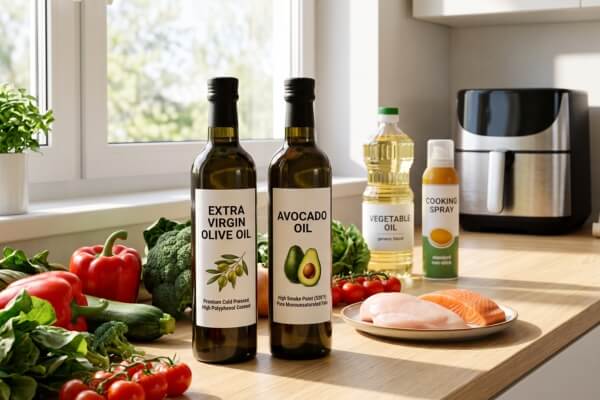
Best & Worst Cooking Oils for MASLD
You just spent a premium on fresh, organic vegetables and lean proteins to support your liver health. But right before you cook them, you grab a generic cooking spray or a standard bottle of vegetable oil.
Could that split-second decision be working against your metabolic goals?
When you are structuring a daily MASLD diet, the types of fats you consume matter deeply. According to guidelines from the US National Institute of Diabetes and Digestive and Kidney Diseases (NIDDK), alongside the UK's National Health Service (NHS), selecting stable lipids is essential for metabolic support. But it's not just about eating less fat; it's about choosing the right fats. Using highly refined, easily oxidized oils can introduce unwanted cellular stress to your liver, while the right oils can actively support liver resilience and promote metabolic balance.
As we navigate the latest nutritional science in 2026, here is your definitive guide to the best and worst cooking oils for liver health—and how to use them safely.
The Worst Oils for Liver Health (What to Avoid)
The primary enemy of a liver maintaining wellness is oxidative stress and inflammation. Unfortunately, many common cooking oils are highly refined and rich in omega-6 fatty acids, which, when consumed in high amounts without balancing omega-3s, can promote an inflammatory environment in the body. Pairing the right oils with the best foods for liver health ensures you maintain a balanced metabolic environment without overwhelming your digestion.
1. Generic "Vegetable" Oils (Soybean, Sunflower, Canola, or Corn Oil)
When comparing avocado oil vs vegetable oil, generic options might be made from soybean, canola (rapeseed), sunflower, or corn. No matter the exact blend, heavily refined, clear oils in plastic bottles are highly unstable at high temperatures. When exposed to the high temperatures of a standard frying pan, they can oxidize and form harmful compounds, including advanced glycation end products (AGEs). When your liver has to process these oxidized lipids, it adds to its workload and can exacerbate fat accumulation.
2. Commercial Aerosol Cooking Sprays (with Propellants)
Many store-bought, non-stick cooking sprays (often marketed as low-calorie or "1-cal" sprays) contain hidden ingredients like soy lecithin, dimethyl silicone (an anti-foaming agent), and aerosol propellants. While a quick spray may seem harmless, these additives and highly refined base oils are not doing your liver any favors.
The Best Cooking Oils for Liver Health (What to Use)
To support your liver, you want oils that are rich in monounsaturated fats, high in antioxidants, and stable enough to withstand cooking temperatures without breaking down into toxic compounds. Coupled with a structured daily liver-support drink schedule, choosing stable fats provides a solid foundation for long-term wellness.
1. Extra Virgin Olive Oil (EVOO)
EVOO remains the gold standard for metabolic and liver health globally. It is packed with polyphenols (powerful antioxidants) and oleic acid, which have been widely studied for their ability to support healthy liver enzyme levels and promote a balanced inflammatory response. While great for low-heat cooking and dressings, it's best kept below its smoke point—around 375°F to 410°F (190°C to 210°C).
2. Avocado Oil
If you need to turn up the heat, avocado oil is your best friend. It boasts a similar, liver-friendly monounsaturated fat profile to olive oil but has a much higher smoke point—up to 520°F (270°C). This makes it the absolute perfect choice for roasting, searing, and—most importantly—air frying!
The Secret Weapon: How You Cook Matters Just as Much
Knowing which oil to use is only half the battle; knowing how to use it is the secret to long-term liver health.
Deep-frying foods—even in healthier oils—saturates your food in excess calories and exposes the oil to prolonged, degrading heat. This is where air fryer liver health methodology steps in as a massive game-changer for daily metabolic support. By using rapidly circulating hot air and just a light mist of 100% pure avocado or olive oil, you can achieve that deeply satisfying, golden crunch without the inflammatory burden of deep frying.
Take the Guesswork Out of Liver-Safe Cooking
Transitioning to a liver-supporting lifestyle shouldn't mean eating bland, boiled chicken for the rest of your life. You shouldn't have to stress over oil temperatures or fat ratios every time you skip ordering in and enter the kitchen.
That is exactly why I wrote The Fatty Liver Recovery Air Fryer Cookbook.
Inside, I take all the guesswork out of healthy cooking. You'll discover how to leverage your air fryer and the right cooking oils to recreate the crispy, comforting textures you love, in a way that actively supports your liver's natural function.
You don't have to give up your favorite (favourite) foods to support your metabolic wellness. With The Fatty Liver Recovery Air Fryer Cookbook, you can easily start your delicious journey to metabolic balance today.