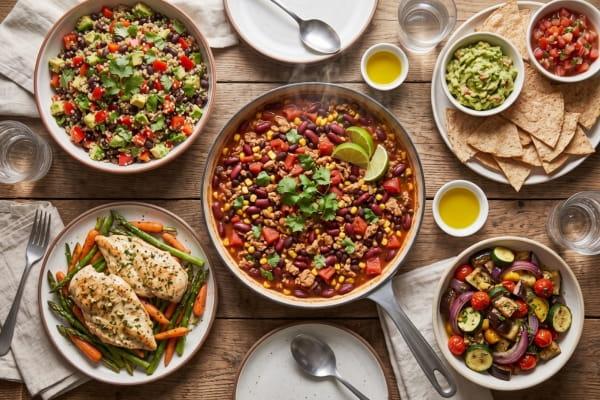
12 Easy Dinner Ideas for High Cholesterol Support
Managing cardiovascular wellness requires strategic dietary adjustments rather than entirely new cooking methods. According to the American Heart Association (AHA) and UK National Health Service (NHS), implementing two primary nutritional shifts supports healthy lipid levels without compromising flavor (flavour).
First, swap saturated fat for unsaturated fat. Saturated fat (butter, cream, cheese, fatty and processed meat, coconut and palm oil) raises LDL cholesterol. Replacing saturated fats with unsaturated fats (olive or canola (rapeseed) oil, nuts, seeds, oily fish) helps manage LDL levels naturally. Clinical frameworks from the American Heart Association (AHA) and European Society of Cardiology (ESC) indicate that this exchange supports healthy lipid profiles more consistently than merely restricting dietary cholesterol [1, 2]. On 2,000 kcal a day, that's about 15 g.
Second, increase the intake of soluble fiber (fibre) when planning easy dinner ideas. Oats, barley, beans and lentils contain a type of fibre that helps carry cholesterol out of the body. The European Food Safety Authority (EFSA) and the US FDA recognize that consuming 3 g of oat beta-glucan daily helps maintain normal blood cholesterol levels [3, 5], and barley beta-glucan has a matching claim [4]. Three grams is roughly 75 g of rolled oats, or less if you also eat barley and pulses across the day.
Every dinner below is built on one or both of these ideas. Most use ingredients from an ordinary supermarket, and most take under 45 minutes.
Quantities are in metric with US measurements in brackets. Most recipes serve 2–3.
1. Baked Salmon with Roasted Vegetables
Salmon gives you protein and omega-3 fats in one easy tray. Be realistic about what the omega-3s do: their main effect is on triglycerides, not LDL. But salmon in place of red or processed meat is still a good swap, because it replaces saturated fat with unsaturated.
Ingredients (2 servings)
2 salmon fillets, 115–140 g (4–5 oz) each
180 g (2 cups) broccoli florets
1 medium bell pepper (sweet pepper), sliced
1 small red onion, cut into wedges
1 tbsp olive oil
1 garlic clove, minced
Zest of ½ lemon, black pepper and dried herbs, to taste
How to make it
Heat the oven to 200 °C (400 °F). Toss the vegetables with the olive oil, garlic, pepper and herbs, and spread them on a baking tray. Roast for 10 minutes. Season the salmon with lemon zest and pepper, add it to the tray, and bake for another 12–15 minutes, until the fish flakes easily and reaches 63 °C (145 °F) in the thickest part [6].
Serve as it is, or with pearl barley or brown rice for extra fibre.
Why it works: Protein, vegetables and unsaturated fat on one tray, with almost no washing up.
2. Lentil and Vegetable Stew
Lentils are one of the cheapest ways to eat more fibre. They also provide plant protein, so a bowl of stew can stand in for a meat-based dinner without leaving you hungry an hour later.
Ingredients (4 servings)
200 g (1 cup) dried green or brown lentils, rinsed
1 carrot, diced
1 celery stalk, diced
1 small onion, chopped
1 can chopped tomatoes (400 g)
1 litre (4 cups) low-salt vegetable stock
1 tbsp olive oil
1 tsp ground cumin
½ tsp smoked paprika
Black pepper and dried thyme, to taste
How to make it
Warm the olive oil in a large pot and cook the onion, carrot and celery for 5–7 minutes. Stir in the spices, then the lentils, tomatoes and stock. Bring to the boil, then simmer for 25–35 minutes, until the lentils are tender. Add more water or stock if it gets too thick.
Serve with wholegrain or rye bread.
Why it works: Fibre and plant protein in one pot, and it keeps for several days in the fridge, so one batch covers a few dinners.
3. Turkey and Black Bean Stuffed Peppers
Stuffed peppers put vegetables, lean protein and fibre into one dish. With beans and brown rice in the filling, you need less meat and no thick layer of cheese on top.
Ingredients (3 servings)
3 large peppers, halved lengthwise
225 g (8 oz) turkey breast mince, or ground turkey labelled at least 93% lean
200 g (1 cup) cooked brown rice
170 g (1 cup) tinned black beans, rinsed and drained
120 g (½ cup) chopped tomatoes
½ small onion, chopped
1 tsp ground cumin
½ tsp paprika
Black pepper, to taste
How to make it
Heat the oven to 190 °C (375 °F). Brown the turkey with the onion in a non-stick pan until no pink remains. Stir in the rice, beans, tomatoes and spices. Fill the pepper halves and set them in a baking dish with a little water in the bottom. Cover and bake for 30 minutes, then uncover and bake for 10–15 minutes more, until the peppers are tender and the filling is hot throughout.
Why it works: The turkey supplies protein, the beans and brown rice supply fibre, and together they make a filling meal. Check the mince label, though. Turkey sold without a lean percentage can include dark meat and skin, and then its saturated fat isn't far off minced beef.
Use the rest of the tin: Stir the leftover chopped tomatoes into tomorrow's lentil stew or pasta sauce.
4. Chickpea and Spinach Curry
A good curry doesn't need cream or ghee. Spices bloomed in oil, tomatoes and a splash of milk make a rich-tasting sauce, and chickpeas add plant protein and fibre.
Ingredients (2–3 servings)
1 can chickpeas (400 g), rinsed and drained
90 g (3 cups) fresh spinach
1 can chopped tomatoes (400 g)
120 ml (½ cup) unsweetened soy milk, or light coconut milk if you prefer the flavour
1 small onion, chopped
2 garlic cloves, minced
1 tsp grated fresh ginger
1 tsp curry powder
1 tbsp olive or rapeseed oil
How to make it
Cook the onion in the oil for 5 minutes. Add the garlic, ginger and curry powder and stir for about 30 seconds, until fragrant. Add the tomatoes and chickpeas and simmer for 10–15 minutes. Lower the heat, stir in the soy or coconut milk and the spinach, and keep it at a gentle simmer until the spinach wilts. Don't let it boil hard after the milk goes in, or the soy milk can split against the tomatoes.
Serve with brown rice or wholewheat flatbread.
Why it works: Chickpeas bring fibre, and the spices do the work that cream would otherwise do. Even light coconut milk is mostly saturated fat, which is why soy milk comes first in the list. If you use coconut, it adds a few grams of saturated fat per serving.
5. Wholewheat Pasta with White Beans and Spinach
Pasta can fit a cholesterol-lowering diet. What matters is the whole plate. Wholegrain pasta with beans, vegetables and a tomato sauce is a very different meal from refined pasta in butter and cream.
Ingredients (2 servings)
170 g (6 oz) wholewheat pasta
1 can cannellini beans (400 g), rinsed and drained
90 g (3 cups) fresh spinach
1 can crushed or chopped tomatoes (400 g)
2 garlic cloves, minced
1 tbsp olive oil
½ tsp dried oregano
Black pepper and chilli flakes, to taste
How to make it
Cook the pasta according to the packet instructions, and save a mug of the cooking water before draining. Meanwhile, warm the olive oil in a wide pan over low heat and cook the garlic and chilli for a minute without letting the garlic brown. Add the tomatoes and oregano and simmer for 10 minutes. Stir in the beans and spinach and cook until the spinach wilts. Add the drained pasta with a splash of the cooking water and toss until the sauce coats it.
Why it works: Beans and wholegrain pasta together give you far more fibre than a plain bowl of white pasta, and the olive oil supplies unsaturated fat instead of butter.
6. Mushroom and Pearl Barley "Risotto"
Barley is one of the two grains with an authorised EU claim for lowering cholesterol [4], yet it rarely makes it to the dinner table. Cooked like risotto, it turns creamy and nutty, with a pleasant chew. It's also more forgiving than rice: it doesn't need constant stirring.
Ingredients (3 servings)
200 g (1 cup) pearl barley, rinsed
250 g (9 oz) mushrooms, sliced
1 onion, finely chopped
2 garlic cloves, minced
1 litre (4 cups) hot low-salt vegetable stock
1 tbsp olive oil
½ tsp dried thyme
1 tbsp lemon juice
A handful of chopped parsley
Black pepper, to taste
1 tbsp grated Parmesan per serving, optional
How to make it
Heat the oil in a wide pan and cook the mushrooms over high heat until browned, about 6–8 minutes. Lift them out. Lower the heat, add the onion and cook for 5 minutes, then add the garlic, thyme and barley and stir for a minute. Add about a third of the stock and simmer, stirring now and then and adding more stock as it's absorbed, for 35–45 minutes, until the barley is tender but still has some bite. Stir the mushrooms back in, then finish with lemon juice, parsley and pepper.
Why it works: Barley gives you soluble fibre, and browned mushrooms give the depth you'd normally get from butter and lots of cheese. A tablespoon of Parmesan on top adds flavour for very little saturated fat.
7. Baked Mackerel with Potatoes and Dill Yogurt
Mackerel is usually cheaper than salmon and just as rich in omega-3 fats. Its fat is mostly unsaturated, so this is a dinner where you don't need to trim the fat.
Ingredients (2 servings)
2 mackerel fillets, about 120 g (4 oz) each
400 g (14 oz) small potatoes, halved
1 tbsp rapeseed or olive oil
120 g (½ cup) plain low-fat yogurt (yoghurt)
1 tbsp chopped fresh dill, or 1 tsp dried
1 small garlic clove, finely grated
1 lemon
Black pepper, to taste
A large handful of salad leaves or grated beetroot, to serve
How to make it
Heat the oven to 200 °C (400 °F). Toss the potatoes with the oil and pepper and roast for 25 minutes. Lay the mackerel on the tray skin-side up, squeeze over half the lemon, and roast for 10–12 minutes more, until the fish flakes easily and reaches 63 °C (145 °F) [6]. Meanwhile, stir together the yogurt, dill, garlic and a squeeze of lemon. Serve with the yogurt sauce and the salad or beetroot.
Why it works: Oily fish in place of red meat is one of the simplest saturated-to-unsaturated swaps you can make.
8. Lemon-Herb Chicken Traybake
A one-tray dinner that uses skinless chicken breast, the leanest cut, with enough vegetables and lemon that it doesn't taste like diet food.
Ingredients (2 servings)
2 skinless chicken breasts, about 150 g (5 oz) each
300 g (10 oz) potatoes, cut into chunks
2 carrots, cut into batons
1 red onion, cut into wedges
150 g (5 oz) green beans, trimmed
1½ tbsp olive oil
2 garlic cloves, crushed
Zest and juice of 1 lemon
1 tsp dried oregano or rosemary
Black pepper, to taste
How to make it
Heat the oven to 200 °C (400 °F). Toss the potatoes, carrots and onion with 1 tbsp of the oil, the garlic and half the herbs, and roast for 20 minutes. Rub the chicken with the remaining oil, the lemon zest and the rest of the herbs. Add the chicken and green beans to the tray and roast for another 20–25 minutes, until the chicken reaches 74 °C (165 °F) in the thickest part [6]. Squeeze the lemon juice over everything before serving.
Why it works: Lean protein, plenty of vegetables and olive oil instead of butter. Removing the skin is what makes the difference: most of a chicken's saturated fat sits in and just under it.
9. Tofu and Vegetable Stir-Fry with Brown Rice
Tofu is a cheap, cholesterol-free protein that picks up whatever flavours you cook it with. The trick is to press it and fry it until golden, so it has texture rather than wobble.
Ingredients (2 servings)
200 g (7 oz) firm tofu
300 g (10 oz) mixed vegetables: pepper, carrot, broccoli, cabbage or frozen stir-fry mix
2 spring onions, sliced
2 garlic cloves, minced
1 tsp grated fresh ginger
1 tbsp canola oil (rapeseed oil)
1½ tbsp reduced-salt soy sauce
1 tsp rice or cider vinegar
1 tsp sesame seeds, optional
300 g (2 cups) cooked brown rice, to serve
How to make it
Wrap the tofu in a clean tea towel, put something heavy on top, and leave for 10 minutes to press out the water. Cut it into cubes. Heat half the oil in a large pan or wok and fry the tofu until golden on several sides, then set it aside. Add the remaining oil and stir-fry the vegetables over high heat for 4–5 minutes, keeping some crunch. Add the garlic, ginger, and spring onions for 30 seconds, then return the tofu with the soy sauce and vinegar. Toss and serve over brown rice, scattered with sesame seeds.
Why it works: A plant protein with no saturated fat to speak of, plenty of vegetables, and a whole grain underneath.
10. Three-Bean Chilli
Beans replace most or all of the minced beef, so this chilli is high in fibre and low in saturated fat, and it costs less than the beef version.
Ingredients (4 servings)
1 can red kidney beans (400 g), rinsed and drained
1 can black beans or pinto beans (400 g), rinsed and drained
1 can chickpeas or cannellini beans (400 g), rinsed and drained
2 cans chopped tomatoes (2 × 400 g)
1 onion, chopped
1 red pepper, chopped
2 garlic cloves, minced
1 tbsp olive oil
2 tsp ground cumin
1 tsp smoked paprika
½–1 tsp chilli powder, to taste
1 tsp dried oregano
Plain low-fat yogurt and chopped coriander, to serve
How to make it
Heat the oil in a large pan and cook the onion and pepper for 6–8 minutes. Add the garlic and spices and stir for 30 seconds. Add the tomatoes and all the beans with about 150 ml (⅔ cup) of water. Simmer for 25–30 minutes, stirring now and then, until thick. Serve with brown rice or a jacket potato, and a spoonful of yogurt.
Why it works: Three tins of beans make this one of the highest-fibre dinners on the list. It freezes well, so it's worth making a full batch. Tinned beans are already cooked; if you use dried kidney beans instead, soak them and then boil them hard for at least 10 minutes before simmering.
11. Oat-Crusted Baked Cod with Peas
Here the oats go into dinner instead of breakfast. A crust of oats, lemon and herbs gives white fish some crunch without breadcrumbs fried in butter.
Ingredients (2 servings)
2 cod or other white fish fillets, about 150 g (5 oz) each
30 g (⅓ cup) rolled oats
Zest of 1 lemon
1 tbsp chopped parsley or dill
1 tbsp olive oil
1 tsp Dijon mustard
Black pepper, to taste
250 g (2 cups) frozen peas
300 g (10 oz) potatoes, boiled, or 200 g (1 cup) cooked barley, to serve
How to make it
Heat the oven to 200 °C (400 °F). Mix the oats, lemon zest, herbs, oil and pepper. Place the fish on a lined tray, brush the tops thinly with mustard, and press the oat mixture on top. Bake for 12–15 minutes, until the crust is golden and the fish flakes easily [6]. Meanwhile, cook the peas and crush them lightly with a squeeze of lemon. Serve the fish on the peas with potatoes or barley.
Why it works: Lean white fish, oats for a little soluble fibre, and peas for more fibre and plant protein. On its own, the crust won't get you to 3 g of oat beta-glucan; count it alongside breakfast.
12. Buckwheat with Roasted Vegetables and Walnut-Herb Sauce
Buckwheat is cheap and easy to find across central and eastern Europe, cooks in 15 minutes, and has a nutty flavour that holds up to roasted vegetables. Walnuts in the sauce supply unsaturated fat, including some plant omega-3.
Ingredients (2–3 servings)
150 g (¾ cup) buckwheat groats
1 small zucchini (courgette), cut into chunks
1 red pepper, cut into chunks
1 red onion, cut into wedges
200 g (7 oz) pumpkin or carrot, cut into chunks
1 tbsp olive oil
Black pepper and smoked paprika, to taste
For the walnut-herb sauce
30 g (¼ cup) walnuts
A large handful of parsley
1 small garlic clove
2 tbsp olive oil
1 tbsp lemon juice
2–3 tbsp water
How to make it
Heat the oven to 210 °C (410 °F). Toss the vegetables with the oil, pepper and paprika and roast for 25–30 minutes, until browned at the edges. Meanwhile, rinse the buckwheat and simmer it in twice its volume of water for 12–15 minutes, until tender, then drain any excess. For the sauce, chop the walnuts, parsley and garlic very finely (or blend them), then stir in the oil, lemon juice and enough water to loosen. Pile the vegetables on the buckwheat and spoon the sauce over.
Why it works: A whole grain, a tray of vegetables, and fat from walnuts and olive oil rather than butter or cheese.
What These Dinners Have in Common
Look across the twelve meals and the same few habits keep appearing:
The fat comes from oil, nuts or fish, not butter, cream, cheese or fatty meat.
Pulses or whole grains show up in almost every dinner. That's where the soluble fibre comes from.
Meat is lean, smaller in portion, or missing. When it's there, it shares the plate with beans, grains and vegetables.
The flavour comes from technique. Spices bloomed in oil, browned mushrooms, roasted vegetables and lemon at the end do the work that butter and salt often do.
None of these meals is a treatment on its own, and the effect of any single dinner is small. What moves LDL is the pattern you repeat week after week. To build a strong foundation for these routines, explore our guide on essential pantry staples for cardiovascular wellness.
Easy Swaps for the Dinners You Already Cook
You don't need to cook from this list every night. These swaps work in most familiar recipes:
Instead of | Try |
|---|---|
Butter for frying | Olive or rapeseed oil |
Cream in sauces and soups | Blended white beans, plain low-fat yogurt (stirred in off the heat) or unsweetened soy milk |
Half the minced beef in a bolognese or chilli | Lentils or beans |
Sausages, bacon and other processed meat | Fish, skinless chicken or pulses |
Lots of grated cheese on top | A small amount of a strong cheese, or toasted breadcrumbs and herbs |
White rice and pasta | Brown rice, pearl barley, buckwheat or wholewheat pasta |
Coconut milk | Unsweetened soy milk, or half the amount of light coconut milk |
References
ACC/AHA Joint Committee on Clinical Practice Guidelines. 2026 ACC/AHA/AACVPR/ABC/ACPM/ADA/AGS/APhA/ASPC/NLA/PCNA Guideline on the Management of Dyslipidemia. Circulation. 2026. doi:10.1161/CIR.0000000000001423
Mach F, Baigent C, Catapano AL, et al. 2019 ESC/EAS Guidelines for the management of dyslipidaemias: lipid modification to reduce cardiovascular risk. European Heart Journal. 2020;41(1):111–188.
Commission Regulation (EU) No 1160/2011 of 14 November 2011 on the authorisation and refusal of authorisation of certain health claims made on foods and referring to the reduction of disease risk (oat beta-glucan).
Commission Regulation (EU) No 1048/2012 of 8 November 2012 on the authorisation of a health claim made on foods and referring to the reduction of disease risk (barley beta-glucan).
US Food and Drug Administration. Grapefruit Juice and Some Drugs Don't Mix. Consumer Update. https://www.fda.gov
US Department of Agriculture, Food Safety and Inspection Service. Safe Minimum Internal Temperature Chart. https://www.fsis.usda.gov