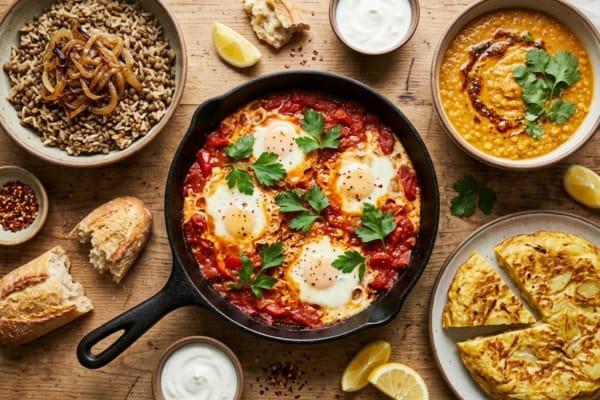
10 Budget Gourmet Meals for Daily Wellness
Creating budget gourmet meals requires strategic ingredient selection rather than expensive items. Grocery prices vary by region, but nutrient-dense recipes remain accessible. But some of the most satisfying dishes in the world are built from ingredients found in the cheapest aisles of almost any supermarket: onions, rice, lentils, eggs, potatoes, cabbage, pasta and canned tomatoes.
The foundation of cheap healthy meals is not expensive cheese or premium meat, but proper culinary technique.
Cook onions slowly until they turn sweet and golden. Warm spices in hot oil before adding liquid. Let tomatoes simmer until their flavor concentrates. Finish a rich dish with a squeeze of lemon, or add something crunchy to contrast with a soft, creamy texture.
According to the US FDA and the UK's FSA (Food Standards Agency), maximizing ingredient utility helps manage household budgets and supports sustainable nutrition. Eurostat reported that EU households generated an average of 69 kg of food waste per person in 2023 [1]. Research from the European Commission's Joint Research Centre has also estimated that reducing food waste could save EU households between €220 and €720 a year under the scenarios studied [2].
Several recipes below make particularly good use of leftover rice, stale bread, inexpensive pulses, and vegetables that might otherwise be forgotten in the refrigerator.
Note: Quantities are given in metric with US customary measurements in brackets. Prices depend on local markets, seasonal availability, and portion sizes.
1. Mujadara: Lentils, Rice and Caramelized Onions
Origin: Levantine cuisine
Found in various forms across the Levant, mujadara combines lentils, rice, and onions cooked until deeply golden. It's filling, naturally plant-based, and made from ingredients that store well in the pantry.
Ingredients (2–3 servings)
100 g (½ cup) brown or green lentils
90 g (½ cup) long-grain rice
3 large onions, thinly sliced
2 tbsp olive oil or another cooking oil
½ tsp ground cumin
¼ tsp ground coriander, optional
480–600 ml (2–2½ cups) water or vegetable stock, as needed
Salt and black pepper, to taste
Plain yogurt (yoghurt), optional
Method
Rinse the lentils and simmer them in water until they begin to soften but still hold their shape. The cooking time will depend on the variety.
Meanwhile, heat the oil in a wide skillet (frying pan). Add the onions and cook over medium-low heat for 25–35 minutes, stirring regularly, until deeply golden and caramelized. Set aside about a third of the onions for the topping.
Drain the lentils if necessary. Add the rice, cumin, coriander, salt, the remaining onions, and enough water or stock to cook the rice according to its variety. Cover and simmer gently until the rice and lentils are tender, adding liquid if needed.
Let the mixture rest, covered, for five minutes. Fluff gently with a fork.
Serve topped with the reserved onions and a spoonful of plain yogurt, if desired.
The gourmet trick: Don't rush the onions. Their sweetness and deep, savory flavor are the heart of this dish. Pale, barely softened onions won't deliver the same result.
Budget tip: Make extra portions for lunch the following day. Mujadara pairs well with a simple cucumber salad or whatever fresh vegetables are already available.
2. Shakshuka: Cheap Healthy Meals with Eggs and Spiced Tomato Sauce
Origin: North African and Middle Eastern cooking traditions
Shakshuka turns a can of tomatoes and a few eggs into a colorful, satisfying meal. The eggs cook directly in a thick, spiced sauce, making this a practical choice for breakfast, lunch or a light dinner.
The recipe is flexible, too. A fresh bell pepper is lovely, but a few pieces of roasted or jarred pepper work just as well.
Ingredients (2 servings)
1 can chopped tomatoes (400 g)
4 large eggs
1 medium onion, chopped
1 bell pepper (sweet pepper), chopped, fresh or jarred
2 garlic cloves, minced
1 tbsp olive oil
1 tsp paprika
½ tsp ground cumin
Pinch of chili flakes, optional
Salt and black pepper, to taste
Bread, to serve
Method
Heat the oil in a skillet over medium heat. Add the onion and pepper and cook until softened.
Add the garlic, paprika, cumin, and chili flakes. Stir for about 30 seconds.
Add the tomatoes and simmer uncovered for 10–15 minutes, until the sauce thickens. Season to taste.
Make four small hollows in the sauce and crack an egg into each one.
Cover the skillet and cook gently for 5–8 minutes, or until the egg whites are set. Cook longer if you prefer firm yolks.
Serve straight from the skillet with bread for scooping up the sauce.
The gourmet trick: Reduce the tomato sauce before adding the eggs. A concentrated sauce has a much richer flavor and won't leave the finished dish watery.
Budget tip: Serve with bread, flatbread or a small portion of rice to make the meal more substantial without buying additional protein.
3. Red Lentil Dal with Garlic and Cumin Tadka
Origin: South Asian cuisine
Dried red lentils are inexpensive, cook quickly, and break down into a naturally creamy consistency. In dal, they become the foundation for a warming dish that can be served with rice or flatbread.
What makes this version particularly flavorful is the tadka: spices and aromatics briefly cooked in hot oil and poured over the finished lentils.
Ingredients (2–3 servings)
150 g (¾ cup) dried red lentils, rinsed to remove excess starch
1 small onion, finely chopped
2 garlic cloves, sliced
1 tsp freshly grated ginger, optional
½ tsp ground turmeric
½ tsp cumin seeds
1 tbsp oil or butter
Pinch of chili flakes or fresh chili, optional
600–720 ml (2½–3 cups) water
Salt, to taste
Lemon juice, to finish
Method
Place the lentils in a saucepan with the turmeric and water. Bring to a boil, then reduce the heat and simmer for 15–20 minutes, stirring occasionally, until soft.
In a small skillet, heat the oil over medium heat until shimmering. Add the cumin seeds and cook until they crackle.
Add the onion and cook until softened and lightly golden. Stir in the garlic, ginger and chili, cooking briefly without allowing the garlic to burn.
Pour the aromatic oil mixture into the cooked lentils and stir gently.
Season with salt and finish with lemon juice. Add a little hot water if you prefer a thinner consistency.
The gourmet trick: The final tempering step makes a remarkable difference. Cooking spices in hot fat releases aromas you can't get by stirring the same spices into water.
Budget tip: Serve with rice, and use any leftover dal as a thick soup the next day. Add water or stock to adjust the consistency.
4. Proper Fried Rice with Egg and Vegetables
Origin: East and Southeast Asian cooking traditions
Fried rice is one of the smartest ways to turn leftover food into a satisfying meal. Cold cooked rice, an egg or two, a handful of vegetables and a splash of soy sauce are often all you need. It's ideal for using small quantities of vegetables that aren't enough for another dish.
Ingredients (2 servings)
300–320 g (2 cups) cooked, chilled rice
2 eggs
120–150 g (1 cup) mixed vegetables, fresh or frozen
2 spring onions, sliced, or ½ small onion, chopped
1–2 garlic cloves, minced
1 tbsp cooking oil
1–2 tbsp soy sauce, to taste
Black pepper, optional
Method
Heat a large skillet or wok over medium-high to high heat.
Add a little oil, scramble the eggs until just set, and transfer them to a plate.
Add the remaining oil, followed by the onion, garlic, and vegetables. Stir-fry until the vegetables are tender but not mushy.
Add the chilled rice, breaking up any clumps. Spread it across the hot pan and let it cook briefly before tossing so some grains develop lightly toasted edges.
Return the eggs to the pan and add soy sauce. Toss everything together and finish with the spring onions.
The gourmet trick: Use chilled rice rather than freshly cooked, wet rice. The drier grains separate more easily and are less likely to turn mushy. Store and reheat it as described in the food-safety note at the top of this article.
Budget tip: Frozen peas, carrots and corn are excellent choices because you can use only what you need.
5. Ribollita-Inspired Tuscan Bread and Bean Soup
Origin: Tuscany, Italy
Ribollita is a traditional Tuscan soup of beans, vegetables, and bread. Its name means "reboiled," reflecting the tradition of reheating soup and making use of leftovers. This simplified version keeps the same spirit without a long ingredient list.
Ingredients (3 servings)
1 can white beans, drained and rinsed (about 240 g drained)
3–4 slices stale bread, torn into pieces
1 onion, chopped
1 carrot, diced
1 celery stalk, chopped, optional
2 garlic cloves, minced
1 can chopped tomatoes (400 g)
480 ml (2 cups) vegetable stock or water
About 150 g (2 cups) chopped cabbage or kale
1 tbsp olive oil
Salt and black pepper, to taste
Method
Heat the olive oil in a large saucepan. Add the onion, carrot and celery and cook for 5–7 minutes until softened.
Add the garlic and cook for another 30 seconds.
Stir in the tomatoes, beans, stock and cabbage. Bring to a gentle simmer.
Cook for 15–20 minutes, until the vegetables are tender.
Add the torn bread and simmer for a few more minutes until it softens and thickens the soup. Add extra water if needed.
Season to taste and finish with a small drizzle of olive oil.
The gourmet trick: Let the bread absorb the broth instead of serving it on the side. The soup should be thick and hearty, with soft vegetables, creamy beans, and tender bread.
Budget tip: Use whatever greens are affordable, including kale, cabbage or leftover cooked greens. If you have no stale bread, serve the soup with fresh bread on the side instead.
6. Italian Pasta with Garlic, Chili and Crispy Breadcrumbs
Origin: Southern Italy
Pasta with garlic, oil and chili is a classic of minimalist Italian cooking. This variation adds toasted breadcrumbs, sometimes called the poor person's Parmesan, for a crisp, savory topping. It's a useful recipe when the refrigerator is nearly empty but the pantry still has pasta and bread.
Ingredients (2 servings)
180 g (6–6½ oz) dried pasta
2–3 slices stale bread
3 garlic cloves, thinly sliced
3 tbsp olive oil, divided
Chili flakes, to taste
1 tbsp lemon juice
1 tbsp chopped parsley, optional
Salt and black pepper, to taste
Method
Tear the bread into small pieces and pulse in a food processor to make coarse crumbs. Alternatively, grate it.
Heat 1 tbsp olive oil in a skillet. Add the breadcrumbs and cook, stirring frequently, until golden and crisp. Transfer to a plate.
Cook the pasta in salted water according to the package instructions. Reserve a mug of pasta water before draining.
Heat the remaining olive oil over low heat. Add the garlic and chili flakes and cook gently until fragrant, taking care not to burn the garlic.
Add the drained pasta and a splash of pasta water. Toss until the oil and water form a light coating.
Finish with lemon juice and parsley. Sprinkle the toasted breadcrumbs over the pasta immediately before serving.
The gourmet trick: Keep the breadcrumbs separate until the last moment. Their crisp texture is the contrast to the soft pasta.
Budget tip: A small piece of hard cheese or a single anchovy melted into the garlic oil adds another layer of savory flavor. Both are optional.
7. Congee: Silky Rice Porridge with Savory Toppings
Origin: China and other parts of Asia
Congee is a rice porridge eaten in many regional variations throughout Asia. It needs very few ingredients, and its mild flavor is the base for whatever toppings you have. Often served for breakfast, it also works as a light lunch or dinner.
Ingredients (2 servings)
90–100 g (½ cup) uncooked rice
960 ml–1.2 L (4–5 cups) water or stock
1–2 slices fresh ginger
1 tbsp soy sauce, to taste
2 eggs, optional
2 spring onions, thinly sliced
Crispy garlic, fried shallots or chili oil, optional
Method
Rinse the rice and place it in a saucepan with the water or stock and ginger.
Bring to a boil, then reduce the heat and simmer gently for 45–60 minutes, stirring occasionally, until the rice breaks down into a silky porridge. Add more water if necessary.
Remove the ginger slices and season lightly with soy sauce.
Prepare the eggs separately by boiling, poaching, or frying them.
Divide the congee between bowls and add the eggs, spring onions, and any other toppings.
The gourmet trick: Keep the rice base simple and focus on contrasting toppings. A soft egg, crisp garlic, fresh spring onion and a little chili oil turn the same bowl into something layered.
Budget tip: Leftover plain rice shortens the cooking time considerably. Add it to simmering water or stock and cook until the grains soften and the mixture thickens. Follow the rice-storage guidance at the top of this article.
8. French-Inspired Onion Soup
Origin: France
Onion soup shows how much flavor can come from one inexpensive ingredient. Slowly cooked onions become sweet, rich, and deeply savory. A little stock turns them into soup, while toasted bread and a modest amount of cheese make it feel special. You don't need expensive ingredients. You need time.
Ingredients (3 servings)
1 kg (2.2 lb) onions, thinly sliced
2 tbsp butter or olive oil
1 tbsp all-purpose flour, optional
960 ml (4 cups) vegetable or beef stock
1 garlic clove, minced
½ tsp dried thyme
3 slices crusty bread
30–45 g (1–1½ oz) any hard cheese that melts, grated
Salt and black pepper, to taste
Method
Melt the butter or heat the oil in a large saucepan over medium-low heat.
Add the onions and cook for 40–50 minutes, stirring regularly, until soft and deep golden brown. Lower the heat if they begin to burn.
Add the garlic and thyme and cook briefly.
If using flour, stir it in and cook for one minute. Gradually add the stock, scraping up the browned bits from the bottom of the pan.
Simmer gently for 15–20 minutes. Season to taste.
Toast the bread. Divide the soup between oven-safe bowls, place the toast on top, and sprinkle with cheese.
Place under a hot grill or broiler until the cheese melts and bubbles. If your bowls aren't oven-safe, melt the cheese on the toast separately and place it on the soup.
The gourmet trick: Caramelization cannot be rushed. The onions should turn deep amber, not black and bitter. If the pan becomes too dry or the onions start sticking, add a small splash of water and keep cooking.
Budget tip: The slow-cooked onions provide most of the flavor, so the cheapest stock cube and whatever cheese you have will do.
9. Spanish Tortilla: Potato and Onion Omelet
Origin: Spain
The Spanish tortilla, or tortilla de patatas, turns potatoes, onions and eggs into a substantial dish that can be eaten warm or cold. It works as a main meal with salad, a simple lunch, or something to prepare ahead for the next day.
Ingredients (2–3 servings)
400 g (14 oz) potatoes, thinly sliced
1 medium onion, thinly sliced
4 large eggs
3 tbsp olive oil, plus extra as needed
Salt and black pepper, to taste
Method
Heat the olive oil in a nonstick skillet over medium-low heat.
Add the potatoes and onion with a pinch of salt. Cook gently for 20–25 minutes, stirring occasionally, until the potatoes are tender. They should soften rather than crisp.
Transfer the potato mixture to a bowl using a slotted spoon, letting excess oil drain. Save the oil for other cooking.
Beat the eggs in a separate bowl and season lightly. Add the warm potatoes and onions and let the mixture rest for about 10 minutes.
Return a little oil to the skillet. Add the egg mixture and cook over low heat until the edges are set and the center is mostly firm.
Place a large plate over the skillet and carefully invert the tortilla onto it. Slide it back into the pan to cook the other side for a few minutes, until set.
Rest briefly before slicing.
The gourmet trick: Give the potato and egg mixture time to rest before cooking. The potatoes absorb some of the egg, which gives the tortilla a creamier, more cohesive texture.
Budget tip: Serve smaller wedges alongside a crunchy cabbage salad or seasonal vegetables. Leftovers make an easy lunch, provided they are refrigerated promptly.
10. Charred Cabbage with Garlic Yogurt and Chickpeas
Origin: A modern, globally inspired budget dish
Cabbage is inexpensive in many parts of the world, stores well, and becomes surprisingly flavorful when roasted at high heat. The outer edges caramelize while the center softens. With tangy garlic yogurt and warm chickpeas, it becomes a vegetarian meal that looks far more elaborate than its ingredients.
Ingredients (2 servings)
½ medium cabbage
1 can chickpeas, drained and rinsed (about 240 g drained)
2 tbsp olive oil, divided
½ tsp smoked paprika
½ tsp ground cumin
120 g (½ cup) plain yogurt
1 garlic clove, finely grated
1 tsp lemon juice
Salt and black pepper, to taste
Chili flakes or fresh herbs, optional
Method
Preheat the oven to 220°C (425°F).
Cut the cabbage into thick wedges, keeping the core attached so the pieces hold together. Brush with 1 tbsp olive oil and season with salt and pepper.
Arrange the wedges on a baking tray and roast for 25–35 minutes, turning once if needed, until tender with deeply browned edges.
Meanwhile, toss the chickpeas with the remaining olive oil, paprika, cumin and a little salt. Roast on a separate tray for 20–25 minutes, or cook in a skillet until golden.
Mix the yogurt with the garlic, lemon juice and a pinch of salt.
Spread the yogurt over a serving plate. Arrange the roasted cabbage on top, add the warm chickpeas, and finish with chili flakes or herbs.
The gourmet trick: Don't pull the cabbage out as soon as it softens. Let the edges develop a deep brown char, watching so they don't burn. Those edges carry most of the flavor.
Budget tip: If yogurt is expensive or unavailable, serve the cabbage with a simple lemon and garlic dressing. White beans can replace the chickpeas.
What These Meals Have in Common
These dishes come from different parts of the world, but their ingredient lists overlap. Onions, rice, lentils, eggs, bread, potatoes, cabbage, canned tomatoes, and dried spices appear again and again. Keep those in the house and you can make most of this list without a special shopping trip.
Affordable ingredients can be nutritious, too
Lentils and beans provide plant-based protein and dietary fiber. Eggs offer protein and several essential nutrients. Vegetables contribute vitamins, minerals, and fiber, while rice, potatoes, and bread provide energy. Combining different food groups across the day stretches a modest grocery budget further than any single "superfood."
Technique matters more than an expensive ingredient list
The difference between a forgettable meal and a good one often comes down to a few small decisions:
Cook onions slowly to bring out their sweetness.
Brown vegetables instead of simply steaming them.
Toast breadcrumbs, spices, or seeds to deepen their flavor.
Let tomato sauces reduce before serving.
Add lemon juice or vinegar at the end to brighten rich flavors.
Finish soft dishes with something crunchy for contrast.
None of these costs anything extra.
Using leftovers is part of cooking economically
A half loaf of bread can become toasted breadcrumbs, a thick soup or a crunchy pasta topping. Leftover vegetables can go into fried rice, dal or a tortilla. A can of beans can stretch one meal or start the next.
Planning two meals around the same ingredients also reduces waste. Buy one cabbage, use part of it in ribollita, and roast the rest.
Adhere to food safety guidelines from authorities like the USDA and UK NHS: store leftovers safely in the refrigerator, manage perishable food promptly, and discard items showing signs of spoilage.
How to Stock a Budget-Friendly Gourmet Pantry
You don't need to buy everything at once. Start with a few basics and build over time. For a complete foundation, explore our guide on essential pantry staples for wellness to stock your kitchen efficiently.
Grains and starches
Rice
Pasta
Potatoes
Bread
Protein-rich staples
Dried lentils (brown or green, and red)
Canned chickpeas
Canned white beans
Eggs
Vegetables and flavor builders
Onions
Garlic
Carrots
Cabbage
Canned tomatoes
Frozen mixed vegetables
Seasonings
Salt and black pepper
Ground cumin and cumin seeds
Paprika
Turmeric
Dried thyme
Chili flakes
Useful extras
Cooking oil
Stock cubes
Soy sauce
Vinegar or lemons
Plain yogurt, when affordable
Buy according to what you actually cook rather than stocking every item on the list. Compare prices by weight, check store-brand alternatives, and use seasonal produce. Frozen vegetables and canned pulses are especially useful when fresh options are expensive.
Final Thoughts
The next time you open your cupboard and see a bag of rice, some lentils, a few onions or a can of tomatoes, think beyond the basic meal. With a little patience and the right technique, those ingredients can become something genuinely delicious.