Still Bloated on Low-FODMAP? Fix It
Starting a low-FODMAP diet often feels like a massive turning point. You finally have a roadmap. You clear out your pantry, reluctantly say goodbye to garlic and onions, and start meticulously following a Low-FODMAP grocery list for beginners. You are doing everything exactly right.
And yet… the bloating is still there.
By 8 PM, your stomach is tight, uncomfortable, and you are left wondering,"I’m doing everything right—so why don’t I feel better?"
As an evidence-based health writer, Regina Bowman, I hear this frustration all the time. It is exhausting to put so much effort into your diet and not see the results you were promised. But let me reassure you: You are not failing, and the diet isn't broken. The truth is, the low-FODMAP protocol is highly effective. According to guidelines from the US National Institute of Diabetes and Digestive and Kidney Diseases (NIDDK), alongside the UK's National Health Service (NHS), it is the gold standard for IBS bloating management—but it is incredibly easy to misunderstand and misapply in a real-life kitchen.
Let’s put on our wellness detective hats, break down the real reasons your symptoms are hanging around, and look at what you can do differently, starting with your next meal.
Why Is the Low-FODMAP Diet Not Meant to Be a Permanent Lifestyle?
One of the biggest traps people fall into is supporting the low-FODMAP diet like a permanent list of "good" and "bad" foods.
In reality, it is a highly structured, multi-phase dietary approach developed by researchers at Monash University. It works in three distinct steps:
The Elimination Phase (short-term restriction to calm the gut)
The Reintroduction Phase (systematically testing foods to find your unique triggers)
The Personalization Phase (your long-term, balanced diet)
If you skip, rush, or misunderstand any of these steps, your digestive support will stall. Here are the most common mistakes I see keeping people bloated.
FODMAP Stacking: How It Causes Sudden Bloating
This is the number one culprit—and it is so sneaky. Many foods are considered low-FODMAP only in specific, small portions.
Think of your digestive system like a bucket. Every time you eat a FODMAP, you add water to the bucket. If the bucket overflows, you get bloated.
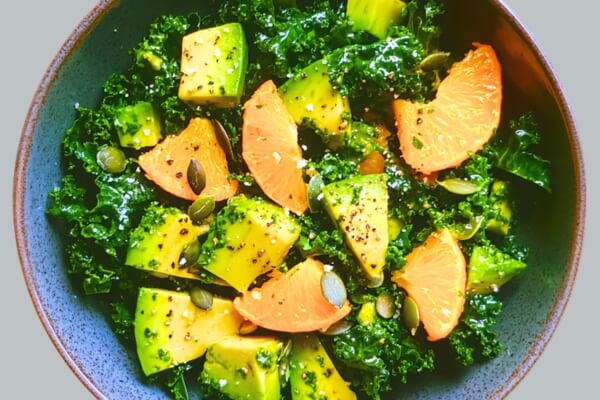
Avocado is low-FODMAP in an eighth of a whole fruit. But eat half an avocado, and it becomes high-FODMAP.
Almonds are safe at about 10 nuts. Eat a whole handful, and you trigger symptoms.
Sweet potatoes and oats act the same way.
Even if every single ingredient in your meal is technically on the "safe list," combining three or four of them in one sitting can fill your FODMAP bucket and overwhelm your gut. This is called FODMAP stacking, and it is exactly why you might still feel terrible after eating a "healthy" meal.
Hidden FODMAPs Sneaking Into Your Gut Health Protocol
You eliminated the obvious triggers, but the modern food industry loves to hide highly fermentable ingredients in places you wouldn't expect. Learning to identify these sneaky high-FODMAP ingredients hiding in packaged foods is crucial to support digestion and maintain a naturally balanced gut.
The biggest offenders include:
"Spices" or "Natural Flavors": On a label, this often means hidden onion or garlic powder.
Store-bought sauces and dressings: Almost all of them contain garlic, honey, or high-fructose corn syrup.
Sugar-free sweeteners: Polyols (like xylitol or sorbitol) found in sugar-free gum and protein bars act like a fermentation party in your intestines.
Why Staying in the Elimination Phase Too Long Hinders Digestive Recovery
Many people stay in the strict elimination phase way longer than the recommended 2 to 6 weeks. I understand why—when you finally find a little digestive comfort, the idea of testing a trigger food is terrifying. It feels safer to just restrict.
In terms of holistic wellness, this heavily backfires.
Many high-FODMAP foods (like beans, garlic, and certain fruits) are prebiotics—they are the primary food source for your healthy gut bacteria. Research shows that overly restrictive diets kept for too long can actually starve your beneficial gut bacteria. Over time, this weakens your microbiome and makes your digestion even more sensitive. The goal is to identify your triggers, not to restrict your diet forever.
Relying on Processed Junk Food (Common Low-FODMAP Mistakes)
As this diet has grown in popularity, grocery shelves have filled up with packaged products proudly stamped with "Low-FODMAP" labels.
But just because a cookie (biscuit) or a frozen meal fits the FODMAP criteria doesn't mean it's good for your gut. Many of these products are loaded with thickeners, artificial emulsifiers, and low-quality oils. These industrial additives can irritate the gut lining and cause inflammation, completely mimicking IBS symptoms.
Overlooking Non-FODMAP Triggers for IBS Bloating Management
FODMAPs are a major trigger, but they aren't the only ones. The digestive system is intimately tied to your nervous system (the gut-brain axis). Persistent bloating can also be triggered by:
Eating too quickly: Swallowing air and poorly chewing food forces your gut to work overtime.
Too much fiber (fibre), too fast: Sudden increases in healthy fibers (fibres) can cause massive gas as your body adjusts.
Stress and Anxiety: When your brain is stressed, it shuts down digestion. Eating a perfect low-FODMAP meal while stressed out will still leave you bloated.
Underlying conditions: If you are strictly following the diet for months with zero comfort, understanding why the low-FODMAP diet doesn't work for everyone can help you and your doctor evaluate underlying microbiome or gut motility issues.
What Actually Works: A Smarter, Simpler Approach
If you’re still struggling, the solution isn’t to restrict yourself even more. The solution is better structure and clarity. Here is how I approach this in my own kitchen:
1. Focus on Portions, Not Just Ingredients. Stop looking blindly at lists and start looking at serving sizes. Download the Monash University FODMAP app to check the exact gram amounts of what is safe.
2. Simplify Your Meals. When I do my "fridge-foraging" to make a meal, I keep it incredibly simple. Complex meals with 15 ingredients make it impossible to identify what triggered your bloating. Stick to: One safe protein, two safe vegetables, and a simple olive oil dressing.
3. Prioritize Real Food. Step away from the highly processed low-FODMAP snacks. Supporting the gut requires whole, minimally processed foods that soothe inflammation rather than aggravate it.
4. Track Your Symptoms (Briefly)You don't need a massive spreadsheet, but a simple notebook helps. Write down what you ate, your portion sizes, and your stress levels. Within a week, the invisible patterns will become incredibly obvious.
A Realistic Expectation
Your gut didn't become irritated overnight, and it won't be helped overnight. Even when you remove the triggers, residual inflammation and microbial imbalances take a little time to settle down.
If you are still feeling bloated, do not give up. It just means your approach needs a slight adjustment. With better portion awareness and a focus on real foods, most people finally start to feel the profound balance they were expecting. Remember, severe bloating doesn't just hurt your gut; it can push stomach acid upward, causing heartburn. If you experience this overlapping symptom, discuss your specific acid reflux triggers with a healthcare provider.
Let's Take the Guesswork Out of Dinner
Figuring all of this out on your own—measuring portions, worrying about stacking, and trying to cook something that actually tastes good—can feel like a full-time job. Understanding the diet is one thing; applying it on a tired Tuesday night is another.
You don't have to navigate this blindly. I wrote my Low-FODMAP Cookbook specifically to remove the daily anxiety of meal prep. It provides you with structured meal plans, built-in portion guidance to avoid FODMAP stacking, and comforting, real-food recipes designed specifically to soothe your gut.
Let's simplify your kitchen, calm your digestion, and get you back to enjoying your food.